And Why It’s Non-Negotiable
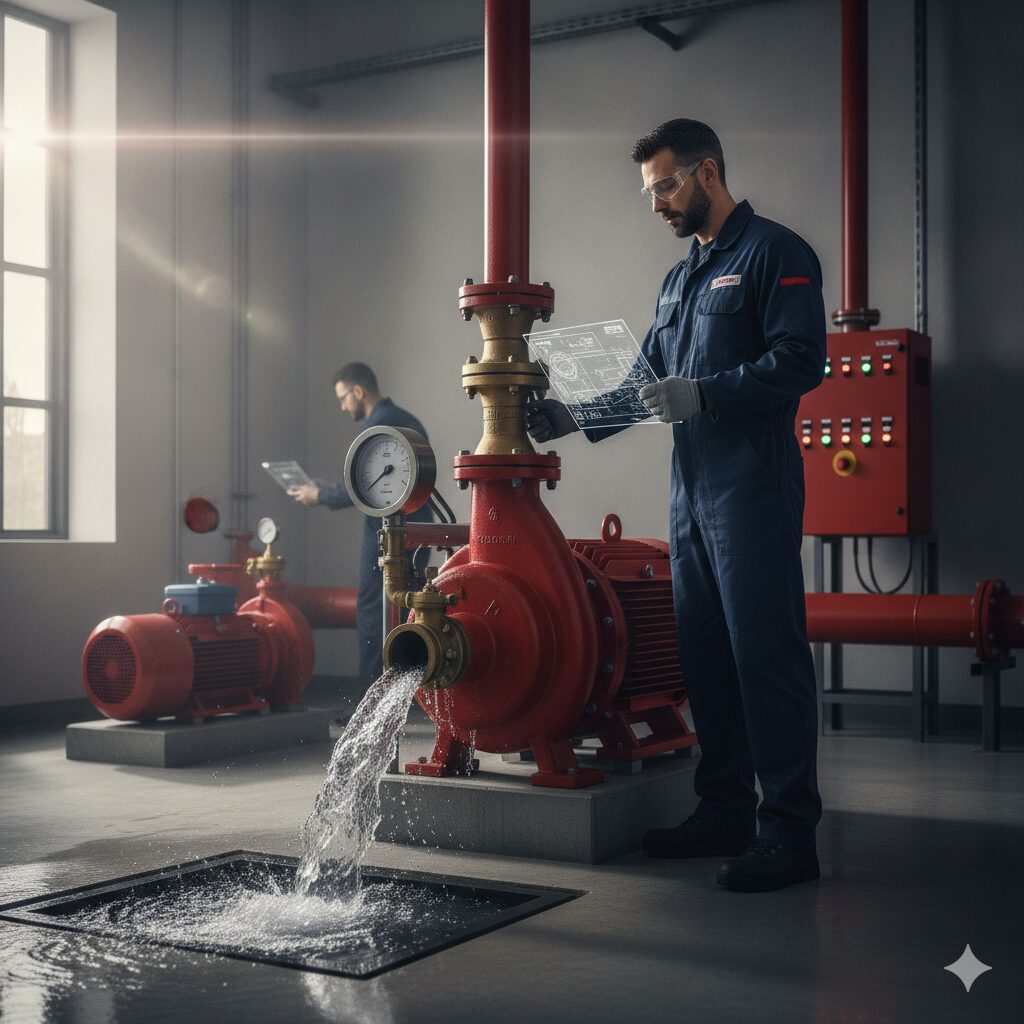
In the intricate architecture of modern fire protection, the fire pump stands as the system’s undisputed powerhouse. It’s the critical component that ensures fire sprinkler and standpipe systems receive the necessary water pressure and flow to combat a blaze effectively, particularly in large commercial buildings, high-rises, and industrial complexes. While property managers often perform basic weekly “churn” tests, the question of “Who is certified to inspect and test fire pumps?” reveals a much deeper and more critical requirement for specialized expertise. This isn’t a task for just any maintenance technician; it demands a highly qualified, certified professional whose meticulous work directly impacts life safety, property preservation, and strict regulatory compliance.
This article will meticulously unpack the specific certifications, qualifications, and roles of the professionals entrusted with inspecting and testing fire pumps. We’ll explore why this specialized expertise is absolutely non-negotiable, the rigorous standards they adhere to, and the profound consequences of entrusting this vital task to unqualified individuals, ultimately safeguarding lives and assets within your property.
The Unseen Powerhouse: Why Fire Pump Testing Demands Specialization
Fire pumps are complex, robust pieces of machinery that combine mechanical, electrical, and hydraulic engineering principles. They operate under immense pressure and must perform flawlessly after potentially long periods of dormancy. Their inspection and testing go far beyond simple visual checks.
Why Fire Pump Testing is a Specialized Domain:
- Life Safety Criticality: A malfunctioning fire pump can render an entire fire suppression system useless, directly endangering occupants and firefighters. Proper testing verifies its operational readiness under fire conditions.
- Complex Mechanical Systems: Fire pumps involve precise tolerances, specialized valves, seals, bearings, and impellers. Diesel-driven pumps add the complexity of internal combustion engines, fuel systems, and batteries.
- Intricate Electrical/Control Systems: Fire pump controllers are sophisticated electrical panels responsible for automatic and manual starting, monitoring alarms, and communicating status. Testing requires expertise in troubleshooting electrical circuits and programming.
- Hydraulic Performance Verification: The ultimate goal of a fire pump is to deliver specific flow (GPM) and pressure (PSI) according to its design curve. This requires specialized equipment and knowledge to accurately measure and verify hydraulic performance, not just observe water flowing.
- Strict Code Compliance: Fire pumps are governed by some of the most stringent codes in fire protection, primarily NFPA 20 (Standard for the Installation of Stationary Pumps for Fire Protection) and NFPA 25 (Standard for the Inspection, Testing, and Maintenance of Water-Based Fire Protection Systems). Adherence to these codes is legally mandated.
- Insurance Requirements: Insurance providers often require documented annual full-flow tests performed by certified professionals to maintain coverage and liability.
The Certified Experts: Who Performs Fire Pump Inspections and Tests?
The professionals certified and qualified to inspect and test fire pumps typically come from specialized fire protection companies and possess specific certifications and training:
- NICET-Certified Fire Protection Technicians (Especially Water-Based Systems):
- Who They Are: The National Institute for Certification in Engineering Technologies (NICET) is arguably the most recognized and respected certification body in the fire protection industry. Technicians can achieve various levels of certification across different disciplines.
- Their Role in Fire Pump Testing: Technicians holding NICET certifications, particularly in Water-Based Systems (Level II, III, or IV), are highly qualified to inspect and test fire pumps. These certifications demonstrate a comprehensive understanding of NFPA 20 and NFPA 25 standards related to pump installation, maintenance, and testing procedures. They are trained to operate sophisticated testing equipment, interpret results, troubleshoot malfunctions, and ensure compliance.
- Why NICET Matters: Many jurisdictions mandate NICET certification for individuals overseeing or performing fire pump testing. It signifies a rigorous process of education, experience, and examination that validates a technician’s expertise.
- Factory-Trained and Certified Service Technicians:
- Who They Are: Technicians who have received specialized training directly from fire pump manufacturers (e.g., Grundfos, Patterson, Peerless) or fire pump controller manufacturers (e.g., Metron, Firetrol, Joslyn Clark).
- Their Role in Fire Pump Testing: While NICET provides broad industry knowledge, manufacturer training provides in-depth familiarity with specific pump models, controllers, and their unique operational and troubleshooting procedures. This is particularly valuable for complex repairs or diagnosing issues specific to a particular brand.
- Why Manufacturer Training Matters: It ensures that the technician understands the nuances of proprietary systems and can correctly perform diagnostics and repairs according to the manufacturer’s specifications, which is often crucial for warranty validation.
- Licensed Fire Protection Contractors/Companies:
- Who They Are: These are the companies that employ the certified technicians. They hold specific licenses from state and local authorities to perform fire protection services, including the inspection, testing, and maintenance (ITM) of fire pumps.
- Their Role in Fire Pump Testing: The company provides the necessary calibrated testing equipment (flow meters, pressure gauges, electrical testers), manages the scheduling, ensures compliance documentation is handled, and backs the work performed by its certified technicians.
- Why Licensing Matters: A company license indicates that the business meets specific regulatory requirements, carries appropriate insurance, and adheres to industry standards.
The Fire Pump Inspection and Testing Process: What a Certified Expert Does
A certified professional performs a comprehensive series of inspections and tests that go far beyond a simple weekly churn test:
1. Visual Inspections (Weekly, Monthly, Annually):
While some weekly checks can be performed by building staff, a certified professional conducts more thorough visual inspections:
- Pump Room Condition: Ensuring the room is clean, dry, well-lit, heated (if necessary), and free of obstructions.
- Pump & Motor/Engine: Checking for leaks, corrosion, excessive vibration, proper alignment, and secure mounting.
- Controller: Inspecting for damage, loose wiring, correct settings, and clear alarm indicators.
- Gauges: Verifying gauges are in good condition, within calibration, and show correct pressures.
- Valves: Ensuring all isolation valves are open and supervised, and that test valves are closed.
- Couplings & Bearings: Checking for wear or excessive play.
- Diesel Engine Specifics: Checking fuel levels, oil levels, coolant levels, battery condition, battery charger status, exhaust system integrity, and cooling water flow.
2. Operational Tests (Weekly/Monthly – Basic, Annually – Full):
- Weekly/Monthly Churn Test: The pump is automatically or manually started and run for a short duration (e.g., 10-30 minutes) without flowing water through the system.
- Certified Professional’s Role: During these basic tests, a certified technician will ensure the pump starts correctly, reaches proper pressure, and that all associated alarms (e.g., ‘Pump On’, ‘Phase Reversal’, ‘Low Oil Pressure’) activate and clear as expected. They analyze trends and potential issues.
- Annual Full-Flow Acceptance Test (The Critical Test): This is the most important test, mandated by NFPA 25, and must be performed by a certified professional.
- Simulating a Fire: The pump is run at its rated capacity, flowing water through a test header with a calibrated flow meter. This simulates the high demand of a fire event.
- Performance Verification: The technician accurately measures the pump’s actual flow (GPM) and pressure (PSI) and compares it against the pump’s original factory performance curve and the system’s design requirements.
- Suction & Discharge Pressure: Monitoring both suction (inlet) and discharge (outlet) pressures to identify any issues with water supply or pump performance.
- Controller Functionality: Comprehensive testing of the controller’s automatic and manual start/stop sequences, emergency shutdown, and all associated alarms.
- Jockey Pump Test: Verifying the jockey pump correctly maintains system pressure and cycles as needed, preventing the main fire pump from unnecessary starts.
- Relief Valve Testing: Ensuring pressure relief valves operate correctly to prevent overpressure.
- Documentation: Detailed reports of all test results, observations, and any deficiencies are recorded, submitted to the AHJ, and provided to the building owner. This documentation is crucial for compliance.
Consequences of Uncertified Fire Pump Testing: A Dangerous Gamble
Entrusting fire pump inspection and testing to unqualified personnel carries profound and severe risks:
- Catastrophic System Failure: An improperly tested pump might fail to start or deliver adequate water during a fire, rendering the entire sprinkler/standpipe system useless. This directly endangers lives and property.
- Delayed or Ineffective Firefighting: Without the necessary water pressure, firefighters cannot effectively battle a blaze, leading to greater property damage and increased risk to emergency responders.
- Non-Compliance and Legal Penalties: Testing by uncertified individuals means the tests are invalid in the eyes of the AHJ. This results in code violations, hefty fines, potential operational shutdowns, and failure to obtain or maintain a Certificate of Occupancy.
- Insurance Invalidation and Liability: Insurance companies often require certified testing. If a fire occurs and the pump’s testing records are found to be insufficient or performed by an uncertified entity, claims could be denied, and the building owner could face immense liability.
- Accelerated Wear and Costly Repairs: Incorrect testing procedures (e.g., running the pump dry, improper valve sequencing) can damage the pump or its components, leading to premature wear, expensive repairs, or even complete pump replacement.
- Misdiagnosis of Issues: An unqualified person might miss critical underlying problems or misdiagnose issues, leading to a false sense of security or improper repairs.
- Reputational Damage: For commercial properties, a fire incident linked to a failed, improperly maintained, or tested fire pump can severely damage business reputation and public trust.
Choosing Your Certified Fire Pump Partner: What to Look For
When selecting a company to inspect and test your fire pump, prioritize specialization and verified credentials:
- NICET Certification: Insist on technicians with current NICET certification, specifically in Water-Based Systems (Level II or higher). Ask to see their credentials.
- State and Local Licensing: Ensure the company itself is properly licensed by all relevant authorities to perform fire protection ITM (Inspection, Testing, and Maintenance) services.
- Experience with Fire Pumps: Choose a company with a strong track record specifically in fire pump testing and maintenance, not just general fire sprinkler work.
- Manufacturer Training: Technicians should ideally have specific training from your fire pump and controller manufacturers.
- Comprehensive Services: A partner that also handles fire pump maintenance and repairs, offering a full lifecycle of care, is beneficial.
- Calibrated Equipment: Ensure they use properly calibrated flow meters, pressure gauges, and electrical testing equipment.
- Detailed Documentation: They should provide clear, thorough, and code-compliant inspection and test reports, including any deficiencies found and recommended corrective actions.
- 24/7 Emergency Response: Fire pump issues can arise unexpectedly, so access to emergency repair services is crucial.
- References: Ask for client references for fire pump services.
Conclusion: Your Assurance in the Heart of Your Fire Safety System
The fire pump is a vital, complex piece of engineering that demands the utmost respect and specialized attention. Its inspection and testing are not merely routine tasks but critical annual evaluations that verify the operational integrity of your entire water-based fire suppression system. Entrusting this paramount responsibility to certified professionals with demonstrated expertise and adherence to stringent industry standards like NFPA 25 is not just a regulatory obligation; it is a profound commitment to the uninterrupted safety of your building, its occupants, and the protection of your valuable assets. Ensure the heart of your fire safety system beats strong and true, always ready for the moment it’s truly needed.
Is your fire pump’s readiness fully assured? Don’t compromise on the integrity of your building’s most powerful fire defense. Contact us today for expert, certified fire pump inspection, testing, and maintenance services. Let our qualified professionals provide the assurance and compliance your property deserves!
Add comment