Tenant Improvement Fire Protection
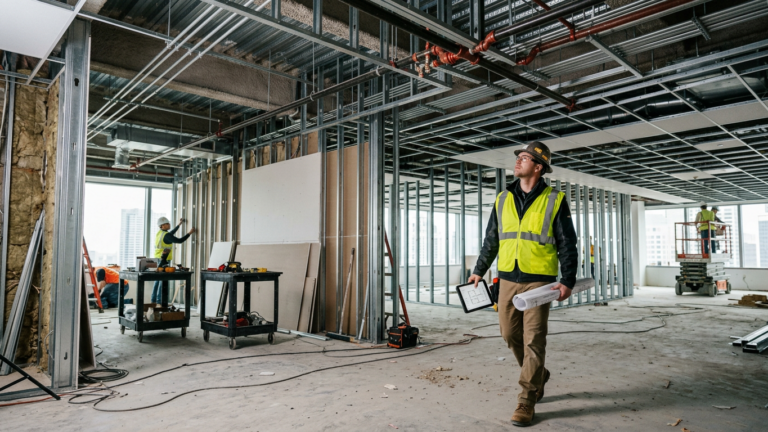
Tenant improvement fire protection is a critical part of any commercial renovation, office build-out, retail remodel, restaurant conversion, or medical space upgrade. When walls move, ceilings change, rooms are added, or occupancy shifts, your existing fire sprinkler and fire alarm systems often need to be modified to match the new layout and current code requirements.
At Fire Sprinklers and Fire Alarms, we provide tenant improvement fire protection for commercial spaces in Las Vegas, Henderson, North Las Vegas, Clark County, and Greater Southern Nevada. We help property owners, tenants, general contractors, and project managers modify fire sprinklers, fire alarms, related system components, and life safety infrastructure so the finished space is protected, code-compliant, and ready for occupancy.
If you are planning a tenant improvement project, our team can help you reduce delays, avoid costly rework, and keep your project moving with expert fire protection planning, installation, testing, and support. Request a Quote to get started.
What Is Tenant Improvement Fire Protection?
Tenant improvement fire protection refers to the modifications, upgrades, relocations, and extensions required to keep a fire protection system compliant when a commercial tenant space is being renovated. In many cases, the original fire protection layout was designed for a different floor plan, a different use, or a different occupancy load. Once the space changes, the system may need to change too.
That could mean relocating sprinkler heads after adding walls, extending branch lines into new rooms, changing head types to work with a new ceiling design, moving alarm devices to maintain proper coverage, updating pull station locations along revised exits, or reprogramming the fire alarm panel after device changes. These are not cosmetic issues. They directly affect life safety, inspection outcomes, and whether the space can legally and safely open.
Tenant improvement fire protection is especially important in office suites, medical clinics, restaurants, retail spaces, warehouses, educational facilities, and mixed-use commercial spaces where layout changes often affect coverage, notification, egress, and code requirements.
Why Fire Protection Changes During Tenant Improvements
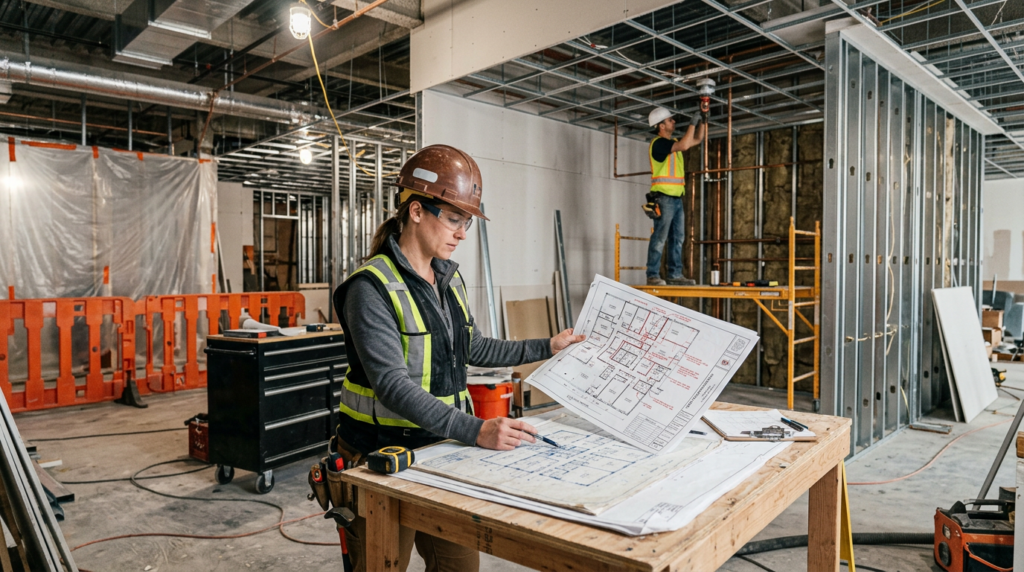
One of the biggest mistakes in a renovation project is assuming the existing fire protection system will still work exactly as designed after the build-out is complete. In reality, even relatively small changes can affect sprinkler coverage, smoke detection, occupant notification, and access to life safety devices.
Layout Changes
When new walls, partitions, offices, storage areas, treatment rooms, or conference rooms are added, existing sprinkler heads may no longer provide proper coverage. New separations can create unprotected pockets or obstruct spray patterns. Fire alarm devices may also need to be moved or added to ensure the new space is properly served.
Ceiling Changes
Tenant improvements often include hard ceilings, open ceilings, soffits, decorative elements, lighting changes, and HVAC revisions. These design updates can affect sprinkler head type, spacing, elevation, and piping routes. Alarm device visibility and audibility can also be affected by new ceiling features or room configurations.
Occupancy or Hazard Changes
A tenant improvement may convert one use into another. An office may become a medical suite. A retail bay may become a restaurant. A shell space may become a high-density occupancy. When occupancy changes, hazard classification, notification requirements, and system demands may change as well. That can trigger fire protection design changes beyond simple relocation work.
Equipment and Fixture Changes
New shelving, kitchen equipment, racking, office partitions, production equipment, and specialty fixtures can affect sprinkler discharge patterns or interfere with alarm effectiveness. Fire protection must be coordinated with these final installed conditions, not just the architectural plan set.
Code Updates and Inspection Requirements
In many tenant improvement projects, the work must be reviewed against current applicable requirements rather than the original standard in effect when the building was first constructed. That is why fire protection should be evaluated carefully during the design phase instead of at the end of the project. For broader fire protection guidance and standards development, the National Fire Protection Association provides an overview at NFPA Codes and Standards.
Our Tenant Improvement Fire Protection Services
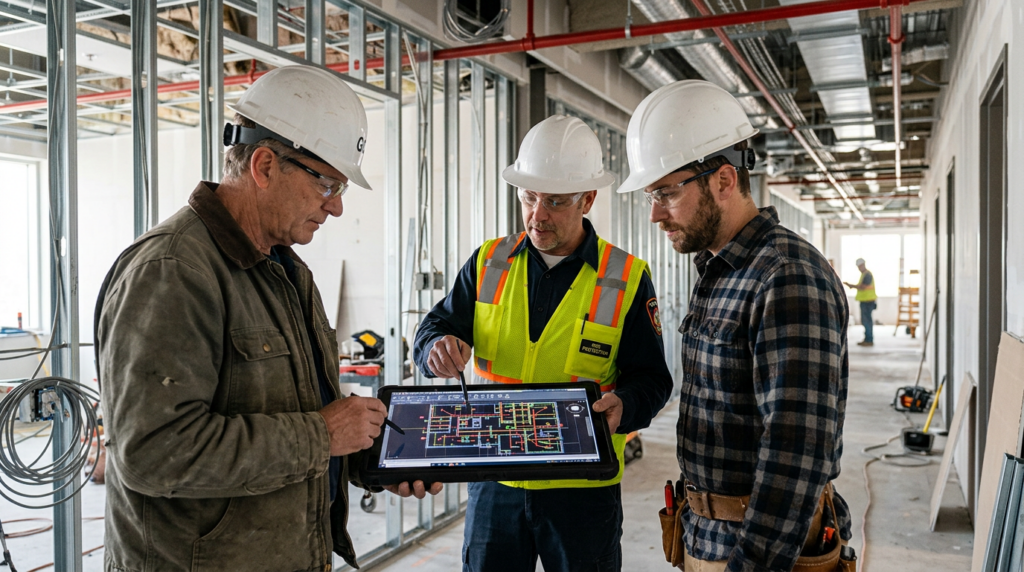
We provide fire protection support for tenant improvement projects ranging from limited suite modifications to larger commercial renovations. Our work is designed to support safety, compliance, and project coordination without losing sight of schedule and constructability.
Fire Sprinkler Modifications
Sprinkler work is one of the most common needs in tenant improvement fire protection. We modify existing sprinkler systems to align with the new layout, ceiling design, use conditions, and building requirements.
That may include relocating sprinkler heads, adding branch lines, extending piping into newly enclosed spaces, revising pipe routes to avoid conflicts, or replacing existing heads with concealed, recessed, upright, pendent, or sidewall heads as needed for the finished design. If your project also needs broader sprinkler support, visit our fire sprinkler system fire protection service page.
Fire Alarm Modifications
Fire alarm systems often need to be revised when a space is reconfigured. Smoke detectors, heat detectors, horn strobes, pull stations, annunciation devices, and related components may need to be moved, added, or reprogrammed so the alarm system matches the new layout and use.
We coordinate fire alarm modifications to help support proper coverage, audibility, visibility, and accessibility. Learn more about our fire alarm system fire protection service.
Fire Pump, Backflow, and Site Infrastructure Coordination
Some tenant improvement projects affect overall system demand, water flow, or site conditions. In those cases, related components such as pumps, backflow prevention assemblies, or site fire infrastructure may also need attention. For related support, we offer fire pump fire protection service, backflow preventer fire protection service, and private fire hydrant fire protection service.
Fire Extinguisher Updates
Renovated spaces often need extinguisher locations reviewed as part of final occupancy readiness. If travel paths, room uses, or hazard conditions change, extinguisher placement may need to change too. We also provide fire extinguisher fire protection service for portable fire protection needs.
Inspections, Testing, and Ongoing Support
After a tenant improvement project is complete, modified systems need to be tested and documented. We also support ongoing compliance after occupancy through quarterly, semi-annual, and annual inspections and maintenance and repair fire protection service.
Types of Tenant Improvement Projects We Support
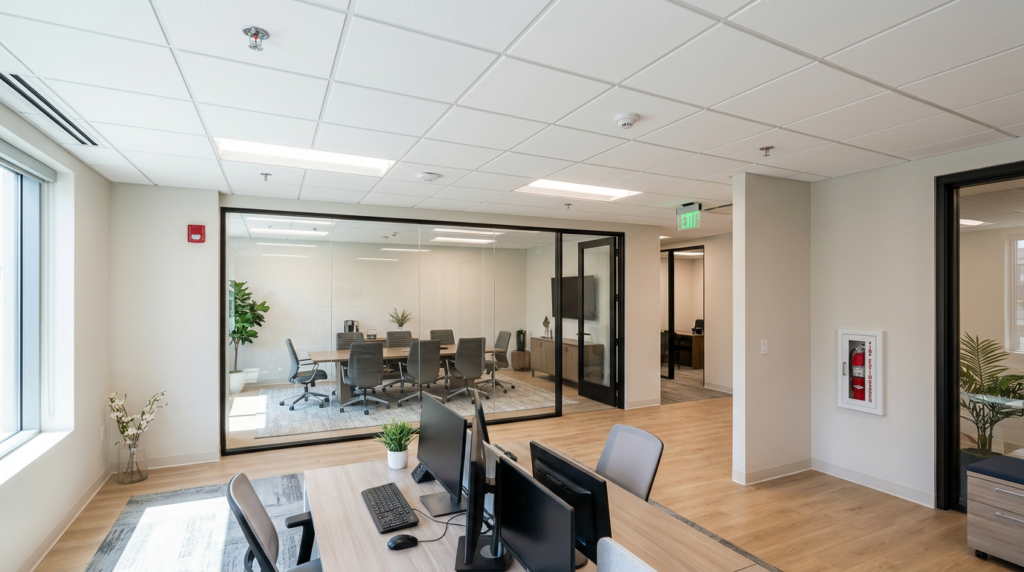
Tenant improvement fire protection is needed across many industries and property types. While every project is unique, common examples include office suite reconfigurations, medical and dental office build-outs, retail storefront renovations, restaurant conversions, warehouse office additions, salon and spa build-outs, educational or training centers, and mixed-use tenant spaces.
In some cases, the work is a light reconfiguration. In others, it is a major occupancy shift that changes the fire protection design basis significantly. We approach each project based on the actual conditions, intended use, and construction scope rather than assuming every TI project is the same.
Our Process for Tenant Improvement Fire Protection
1. Project Review and Existing System Assessment
We start by reviewing the renovation plans, existing conditions, and intended use of the tenant space. That includes understanding where walls are moving, what ceilings are changing, what equipment is being added, and how the space will function once complete.
2. Design Coordination
Next, we coordinate the fire protection scope with the architectural, mechanical, electrical, plumbing, and construction teams. This is a major step in preventing clashes, field changes, and late-stage delays.
3. Fire Protection Modifications
Once the scope is finalized, we perform the needed sprinkler and alarm modifications to support the tenant improvement. The goal is not only to complete the work correctly, but to keep the project moving as efficiently as possible.
4. Testing and Verification
After the modifications are complete, the system is tested to help verify proper performance. This may include sprinkler testing, alarm device checks, panel updates, and documentation needed for inspection or closeout.
5. Final Support and Next-Step Services
When the TI project is complete, we can continue supporting the property through inspections, maintenance, repair, and related services. If your project also includes new build-out phases or ground-up additions, visit our new construction fire protection service page. If the work involves multi-family or residential applications, we also provide residential fire protection service.
Why Code Compliance Matters in Tenant Improvement Fire Protection
Code compliance is not just an administrative checkbox. It directly affects whether the renovated space can be approved for occupancy, whether occupants are properly protected, and whether the owner or tenant is exposed to unnecessary liability.
When tenant improvement fire protection is overlooked or handled too late, projects may face failed inspections, expensive field revisions, schedule overruns, occupancy delays, and added coordination problems. Even worse, an incomplete or incorrectly modified system can leave people and property at risk if a fire occurs.
By addressing sprinkler and alarm changes early, you give the project a better chance of smoother approvals, fewer surprises, and safer final turnover.
Common Problems We Help Prevent
Our tenant improvement fire protection service is designed to help prevent the problems that often derail build-outs late in the process.
- Sprinkler heads blocked by new walls, shelving, or soffits
- New rooms created without proper sprinkler coverage
- Alarm devices left in the wrong locations after layout changes
- Notification appliances that no longer serve the renovated space properly
- Last-minute rework caused by missing fire protection coordination
- Failed inspections that delay tenant occupancy
- Code issues discovered only after construction is nearly complete
These issues are common in TI work because many trades are moving quickly at the same time. Early fire protection planning helps reduce the chance that a small oversight becomes a costly project problem.
Why Choose Pipe Fitters Fire Protection?
We understand that tenant improvement work is often deadline-driven and coordination-heavy. Tenants want to open quickly. Contractors need trades aligned. Owners want work completed correctly the first time. That is why our approach focuses on responsiveness, system knowledge, code-conscious planning, and practical execution.
We provide full-service fire protection support across the broader service lineup on our services page, and we serve customers throughout Las Vegas, Henderson, North Las Vegas, Clark County, and Greater Southern Nevada.
Whether your project involves a straightforward office remodel or a more complex change in occupancy and layout, we help you keep fire protection aligned with the finished space.
Frequently Asked Questions
What is tenant improvement fire protection?
Tenant improvement fire protection refers to modifying existing fire sprinkler, fire alarm, and related life safety systems when a commercial space is renovated, built out, or reconfigured for a new or existing tenant.
When do fire sprinkler systems need to be modified during a tenant improvement?
Sprinkler systems usually need modifications when walls are added or removed, room layouts change, ceilings are revised, or occupancy and hazard conditions change.
Do fire alarm devices need to be moved during tenant improvements?
Yes. Smoke detectors, pull stations, horn strobes, and other alarm devices may need to be relocated, added, or reprogrammed to match the new layout and code requirements.
Why is code compliance important for tenant improvement fire protection?
Code compliance helps reduce failed inspections, occupancy delays, safety risks, rework costs, and liability exposure. It also helps ensure the completed space is properly protected before it opens.
Do you provide tenant improvement fire protection in Las Vegas and nearby areas?
Yes. We serve Las Vegas, Henderson, North Las Vegas, Clark County, and Greater Southern Nevada.
Request a Quote for Tenant Improvement Fire Protection
If you are planning a renovation, remodel, build-out, or occupancy change, now is the time to address your fire protection requirements. Fire Sprinklers and Fire Alarms provides tenant improvement fire protection for commercial projects throughout Southern Nevada, with services designed to help you stay compliant, reduce delays, and protect the finished space.
Need Fire Protection Services?
Request a Quote
Call 702-FITTERS (702-348-8377)
Learn More